

Current location: HOME > BLOGS > Frequently Asked Questions >
How to choose cables for photovoltaic power generation systems
time:2025-10-29 10:50:28 author:haoshizai Click:102
Shaanxi Photovoltaic Wire and Cable
The main technical requirements for cable manufacturing are as follows:
1. Two core cables should be used for DC power supply circuits, and single core cables can be used when needed.
2. PVC insulated cables should not be used in places with high temperatures above 100 ℃ or low temperatures below -20 ℃.
When laying cables directly, if the cables are subjected to high pressure or there is a risk of mechanical damage (based on actual reports), steel tape armored cables should be used.
4. The temperature of the cable core under the action of high operating current shall not exceed the allowable value determined based on the service life of the cable.
5. Determine the ambient temperature at which the cable can continue to carry current. If the cable is laid in the air or cable trench, it should be taken Hot month day The average value of high temperature.
The selection of cable paths should comply with the following regulations:
1. Avoid damage to cables caused by mechanical external forces, overheating, corrosion, etc.
2. Under satisfactory request conditions, make the cable shorter.
3. Easy to lay and maintain.
4. Avoid the area where excavation and construction are about to take place, and any changes to the components of the cable in any laying method and all its routing conditions should meet the requirements of the cable's allowable bending radius.
The specific requirements for cable selection are as follows:
The cables used in the low-voltage DC transmission part of the solar photovoltaic power generation system have different requirements for the connection of different components due to different usage environments and technical requirements. The overall factors to be considered include the insulation performance, heat resistance and flame retardancy, aging resistance, and wire diameter specifications of the cables.
1. The connecting cables between solar cell modules are generally directly connected using the connecting cables attached to the module junction box. If the length is not enough, a one-to-one extension cable can also be used.
According to the different power levels of the components, this type of connecting cable has three specifications: cross-sectional area of 2.5m ㎡, 4.0m ㎡, and 6.0m ㎡.
This type of connecting cable uses a double-layer insulation sheath, which has excellent resistance to UV, water, ozone, acid, and salt erosion, excellent all-weather capability, and wear resistance (based on actual reports).
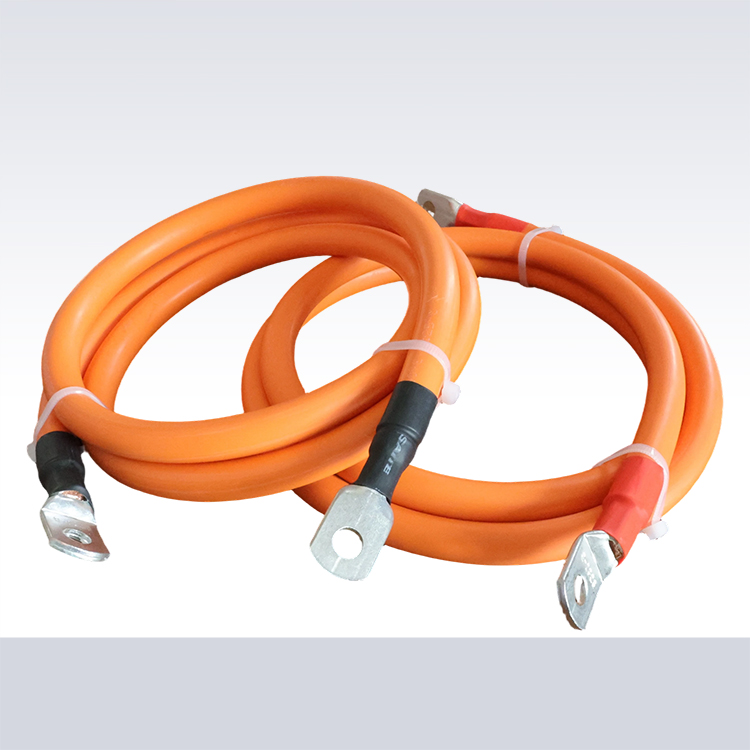
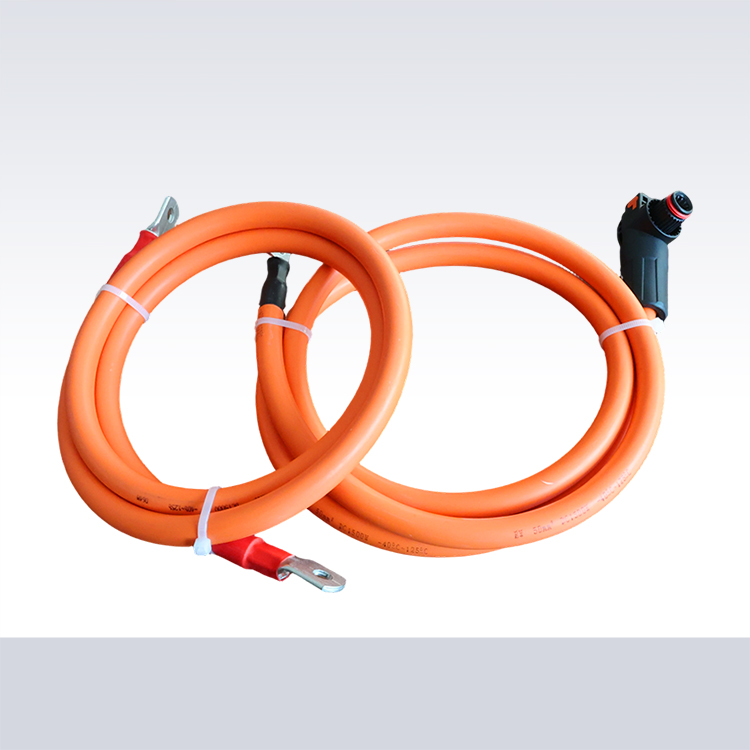
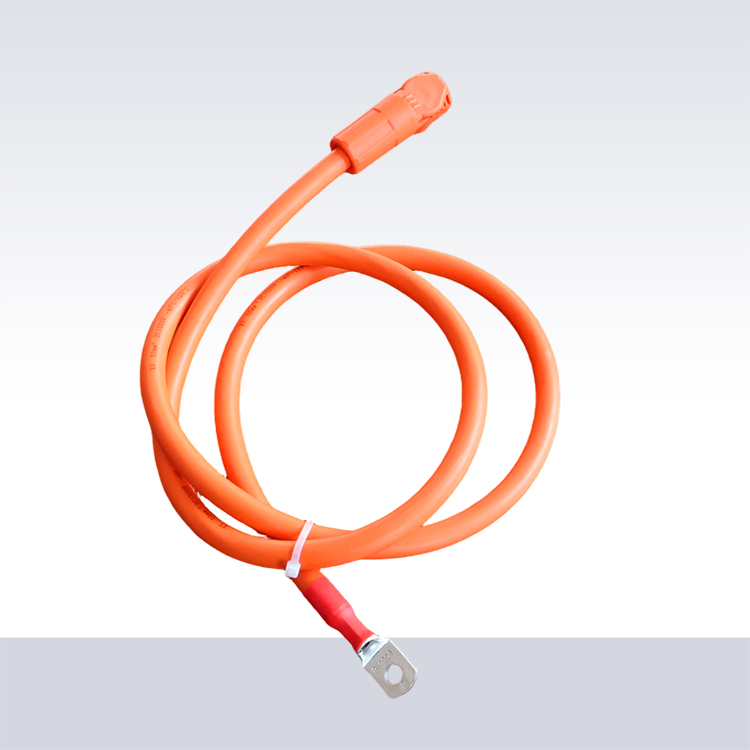
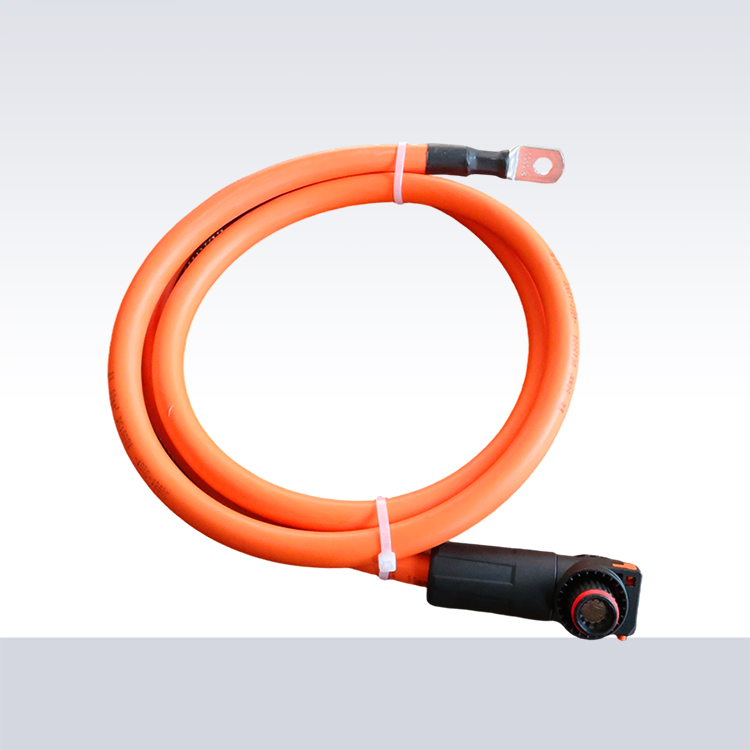
2. The connecting cable between the battery and the inverter requires the use of multi strand flexible wires that have passed UL testing, and should be connected as close as possible.
Choosing short and thick cables can reduce system losses, improve efficiency, and enhance performance.
3. The connecting cable between the battery array and the controller or DC junction box also requires the use of multi strand flexible wires that have passed UL testing, with cross-sectional area specifications according to the array output It depends on high current.
The cross-sectional area of the DC cable in the designated area is determined based on the following principles:
① The rated current of the cables selected for the connection between solar cell modules, the connection between batteries, and the connection between AC loads is generally within each cable 1.25 times the continuous working current;
② The connection cables between solar cell arrays and between batteries (groups) and inverters are generally selected based on the rated current of each cable 1.5 times the continuous working current.