

Current location: HOME > BLOGS > Frequently Asked Questions >
Custom PV System Wiring Harness Solutions for Large Solar Projects
time:2026-01-30 09:01:06 author:haoshizai Click:180
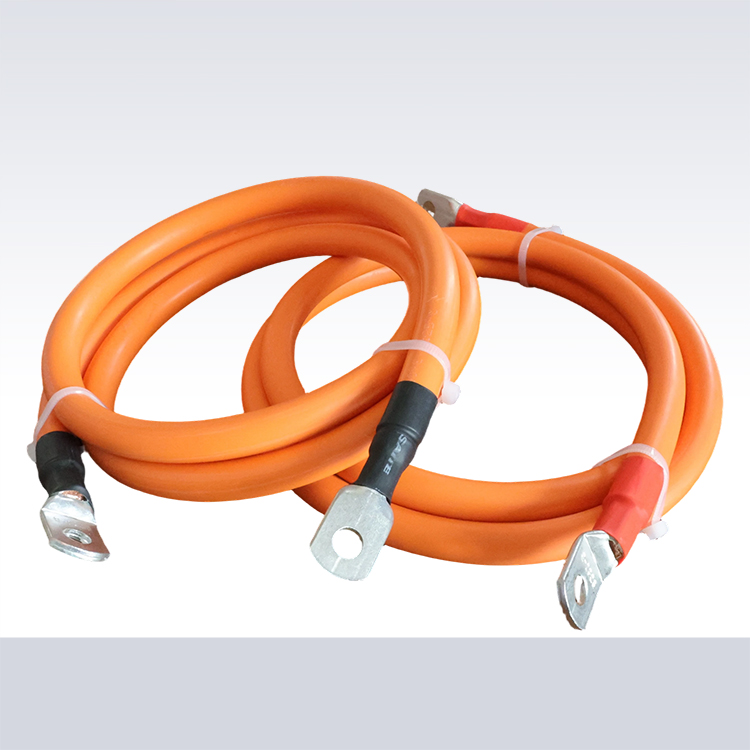
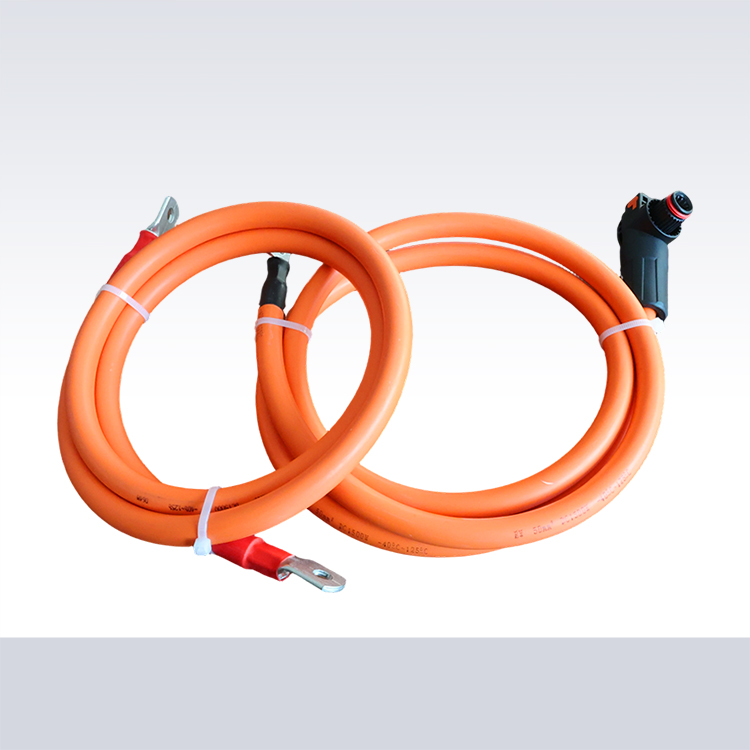
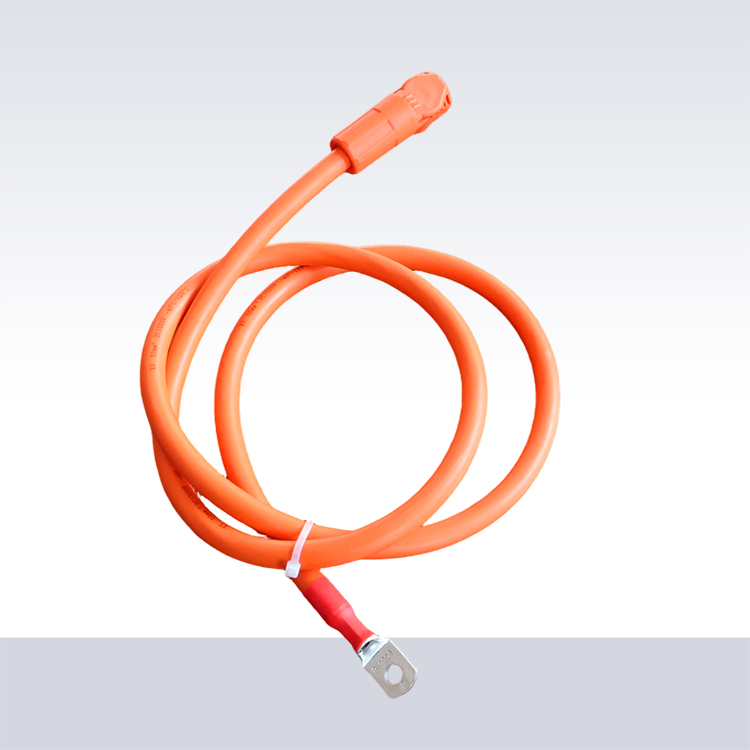
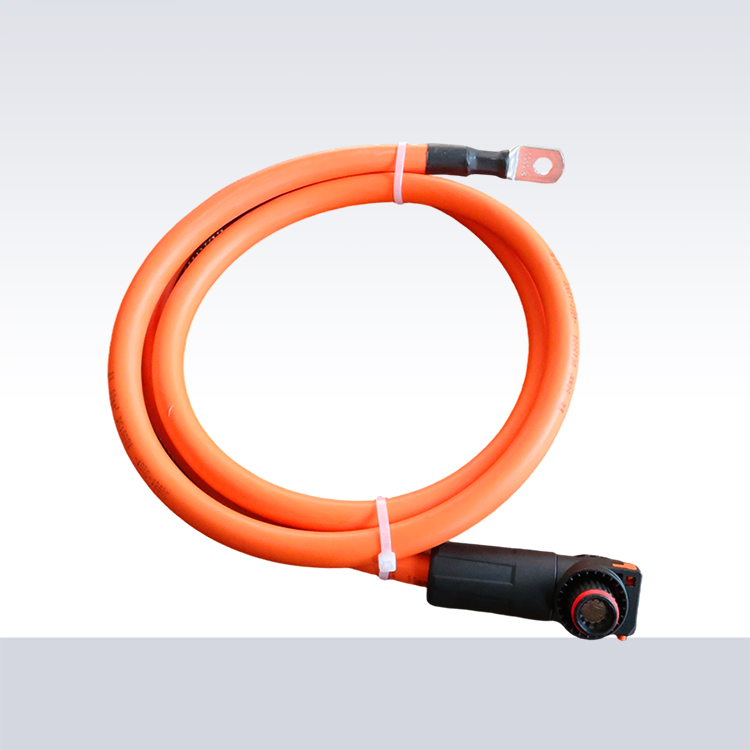
In large-scale solar installations, the efficiency and reliability of the PV System Wiring Harness can determine the long-term performance of the entire project. As solar arrays grow in size and complexity, the traditional approach of manually routing individual cables becomes increasingly inefficient, labor-intensive, and prone to installation errors. This is why custom wiring harness solutions—engineered specifically for photovoltaic applications—are rapidly becoming the preferred option for utility-scale and commercial solar fields.
With the need for streamlined installation, optimized energy pathways, and robust electrical safety, many solar developers now rely on manufacturer-level harness production to support bulk supply for large project demands. Below, we explore how custom wiring harnesses enhance project performance and why they are becoming essential in modern PV construction.
1. Why Wiring Harnesses Matter in Large PV Projects
A solar wiring harness integrates multiple cables, connectors, junctions, and protective components into a single organized assembly. Instead of managing individual conductors, installers can deploy one consolidated structure that carries power, communicates signal data, and organizes electrical paths.
·For large installations, the benefits are significant:
·Faster installation and reduced labor
·Lower risk of wiring mistakes
·Neater cable organization across long array distances
·Consistent quality from production-level assembly
·Improved system safety and power efficiency
When a project covers several acres, even small efficiency improvements can translate into substantial labor savings and increased system reliability.
2. The Growing Need for Custom PV Harness Engineering
While standard cables work for small systems, large solar projects often require tailored harness designs due to:
·Unique array configurations
·Varying module string lengths
·Mixed voltage or current pathways
·Site-specific routing challenges
Custom harnesses ensure that every segment of the solar field receives precisely the wiring architecture it needs—no excess cable, no missing lengths, and no risky field improvisation.
This is why developers increasingly partner with harness manufacturers capable of large-scale production and consistent QC testing.
3. Key Advantages of Custom PV System Wiring Harnesses
3.1 Faster, Simpler Installation
Harnesses drastically reduce the number of loose cables onsite. With pre-measured lengths and pre-installed connectors, installers can layout systems much faster than traditional hand-built cable runs. This reduces installation time by 30–50% in many cases.
3.2 Reduced Voltage Drop and Cable Losses
When cable lengths are customized per array block, unnecessary long-distance wiring is eliminated. Shorter, optimized wiring means:
·Lower resistance
·Less heat generation
·Improved energy delivery to the inverter
This provides a measurable performance advantage for utility-scale arrays.
3.3 Improved Safety and Error Prevention
Manual wiring can lead to:
·Incorrect polarity
·Loose connectors
·Mismatched cable sizes
·Exposure to abrasion or UV degradation
In contrast, custom harnesses are produced under controlled factory conditions, ensuring safer and more reliable wiring networks across the entire PV field.
3.4 Cleaner Aesthetic and Maintenance Benefits
Well-organized harness routing gives O&M teams easier access during visual inspections or repairs. Cable clutter is minimized, and troubleshooting becomes faster and more accurate.
4. Essential Components in a PV Wiring Harness
A custom PV harness may include several integrated elements:
·Solar connectors (MC4-type or equivalent)
·Branch connectors and Y-splitters
·String home-run cables
·Grounding wires
·Protection sleeves and conduits
·Pre-labeled junction points
·Weatherproof housings and terminals
By combining these into a single assembly, the installation becomes more predictable and error-resistant.
5. Design Considerations for Large Solar Project Harnesses
Custom harness engineering requires careful planning. Key factors include:
5.1 Array Layout and Module Spacing
Every harness must match:
·Row-to-row distance
·Module spacing
·Terrain elevation
·Trenching layout
A good design minimizes unnecessary cable slack while maintaining safe bend and tension limits.
5.2 Cable Rating and Insulation Material
Large outdoor arrays face continuous UV exposure, temperature swings, and moisture. Cable insulation must meet:
·UV resistance standards
·High thermal endurance
·Outdoor mechanical stability
Cross-linked polyethylene (XLPE) and UV-stabilized materials are commonly used.
5.3 Connector Quality and Compatibility
Using high-grade terminals ensures stable power transfer and long-term durability.
5.4 Voltage & Current Requirements
Longer strings and high-power modules require appropriate conductor sizing. Undersized wires can increase voltage drop, reducing total energy yield.
6. The Importance of Manufacturer-Level Production
High-volume solar projects require consistent quality and repeatable assembly across thousands of harness units. Manufacturer-driven production provides:
·Automated crimping and precision assembly
·Electrical continuity and insulation resistance testing
·Bulk supply for large procurement cycles
·Custom labeling and routing design
·Stable lead times and project delivery scheduling
This consistency dramatically reduces on-site error rates and installation delays.
7. How Custom Harnesses Improve Project ROI
Using custom harnesses contributes to long-term financial performance:
·Lower labor cost
·Faster commissioning
·Reduced maintenance over system life
·Lower energy loss
·Extended component life
For utility-scale installations, these gains are especially valuable.
Conclusion
A well-designed PV System Wiring Harness plays a foundational role in ensuring the efficiency, safety, and long-term reliability of large solar projects. By integrating optimized cable paths, high-quality connectors, and manufacturer-level production standards, custom harness solutions reduce installation time, eliminate wiring errors, and significantly improve overall system performance.
With solar farms becoming larger and more complex, investing in a tailored PV system wiring harness is one of the smartest ways to achieve stable operation, quick deployment, and reduced maintenance costs. For projects requiring bulk supply and precision engineering, partnering with an experienced harness production provider ensures that every connection delivers maximum efficiency and long-term value.
The future of large-scale solar construction is streamlined, customized, and powered by intelligent PV System Wiring Harness solutions.
References
Khadka, S., & Kafle, B. (2017). Performance analysis of PV systems with variation in cable length and cable size. Energy Procedia, 134, 299–304.