

Current location: HOME > BLOGS > Frequently Asked Questions >
Common Solar Connector Cable Issues and How to Prevent Them
time:2026-01-30 09:01:59 author:haoshizai Click:86
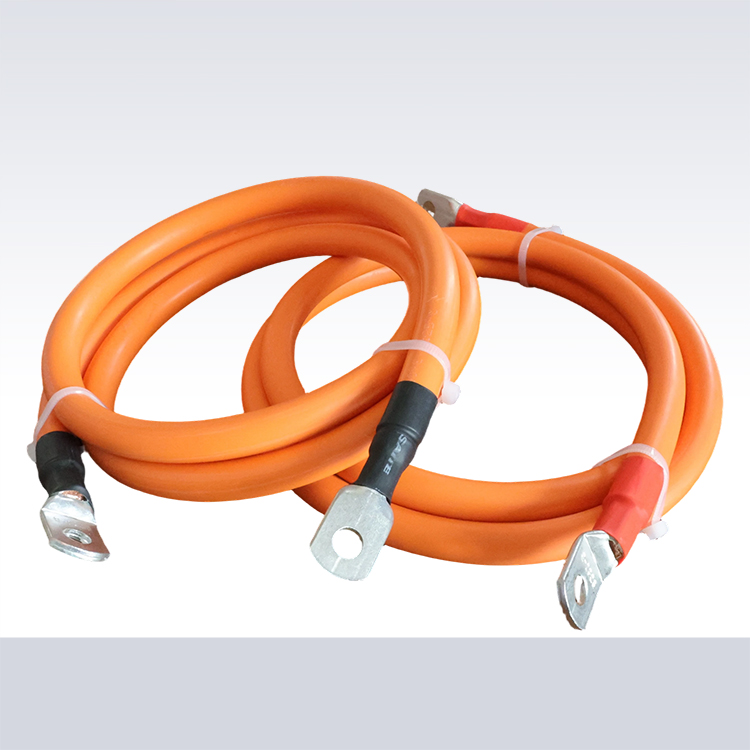
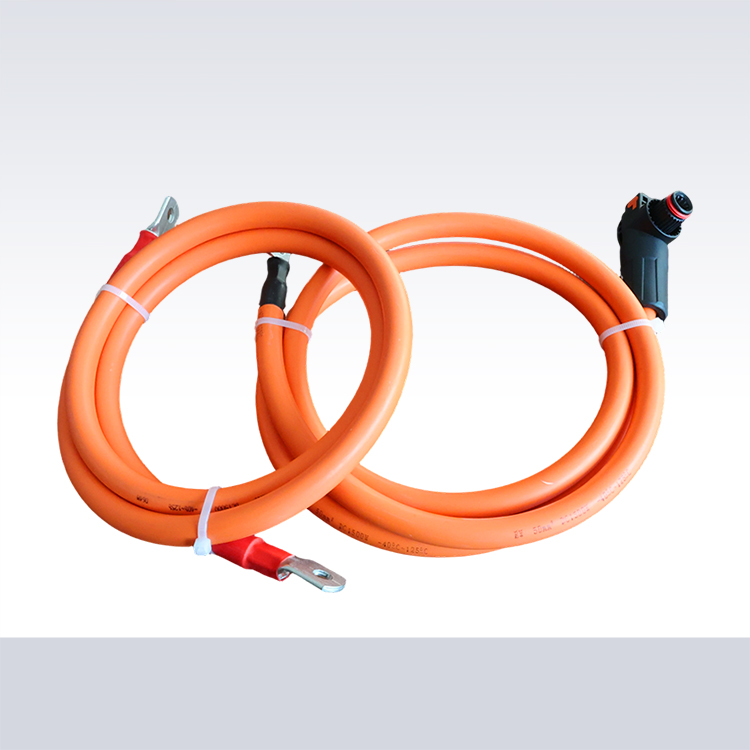
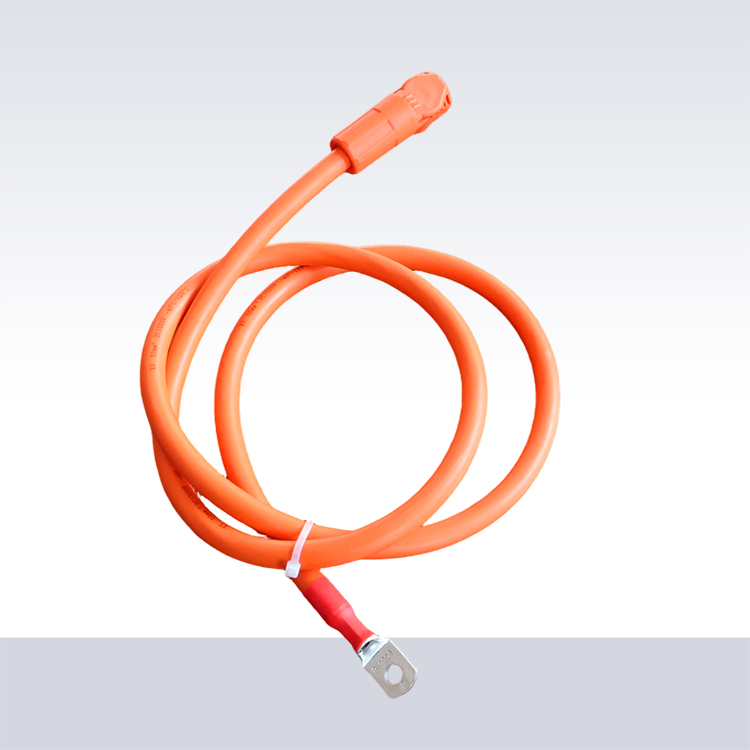
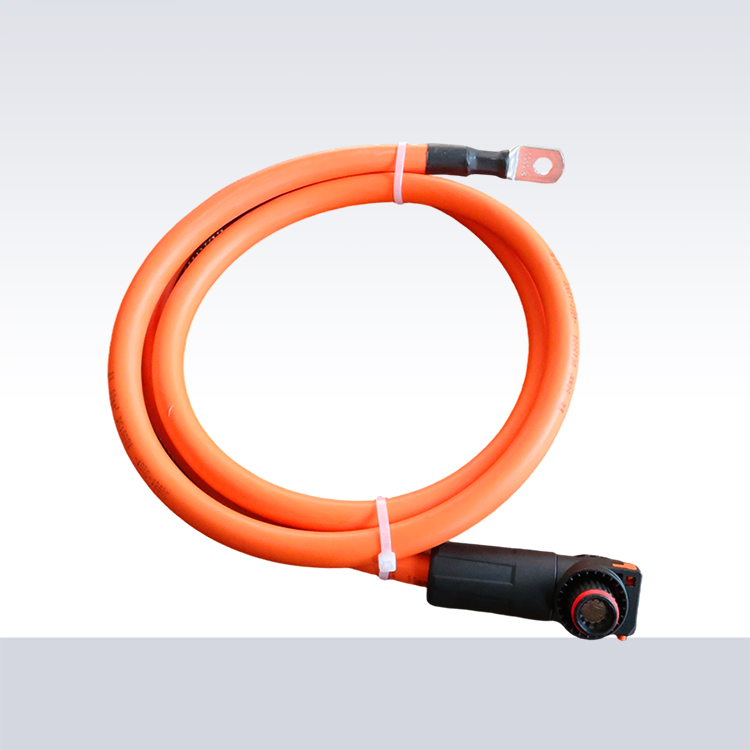
When building a stable and long-lasting solar power system, few components are as essential as the Solar Panel Connector Cable. Although often overlooked, connector cables are responsible for carrying energy between modules, inverters, and charge controllers. Any weakness in this part of a PV installation can lead to power loss, overheating, or even complete system failure.
Whether you are sourcing cables from a manufacturer-level supplier or assembling a system using bulk production wiring, understanding the typical issues that affect connector cables is the first step toward preventing downtime. This guide breaks down the most common problems and provides actionable solutions to ensure reliable long-term performance.
1. Why Solar Connector Cable Quality Matters
Solar energy systems operate outdoors under intense UV exposure, fluctuating temperatures, and continuous electrical load. Connector cables must therefore withstand:
·Constant high and low temperature cycles
·UV radiation and moisture
·Mechanical stress from wind or movement
·Continuous electrical current and resistance heat
Even a minor defect can reduce output efficiency or contribute to unsafe conditions. Quality, sizing, and installation practices all play direct roles in system reliability.
2. Common Solar Connector Cable Issues
Below are the issues most frequently seen in solar energy installations, both residential and commercial.
2.1 Poor Cable Crimping
Improper crimping is one of the biggest contributors to cable failure. A weak connection increases resistance, generates heat, and over time can lead to:
·Intermittent power drops
·Visible melting around connectors
·Higher voltage loss
·Complete disconnection in severe cases
Many failures can be traced back to incorrect tools or rushed assembly during installation.
2.2 Incompatible Connectors
Even if connectors look similar, mixing different connector types can cause:
·Loose contact points
·Reduced current-carrying capability
·Accelerated aging from micro-arcing
·Increased fire risk
Standardized connectors should always be matched by rating, structure, and design material.
2.3 Undersized Solar Connector Cables
Using cables with insufficient cross-section leads to:
·Excessive voltage drop
·Heat buildup under high current
·Premature insulation breakdown
This is especially problematic in systems with long string lengths or high power output. Larger PV installations using production-level cable supply typically upgrade cable size to ensure safe operation.
2.4 Environmental Degradation
Outdoor conditions take a toll on wiring over time. Common environmental stresses include:
·Ultraviolet damage that cracks insulation
·Rain and humidity, causing corrosion
·High winds that cause movement and chafing
·Extreme temperatures, expanding and contracting the cable
Low-grade insulation materials degrade much faster, creating risks for energy leakage or electrical shorts.
2.5 Connector Water Ingress
Moisture infiltration inside connectors is one of the most dangerous issues because it can cause:
·Corrosion of metal terminals
·Short circuits
·Arc faults
·Severe efficiency reduction
Proper sealing and IP-rated connectors are essential to maintaining safe operation.
2.6 Manufacturing Defects
Occasionally, cables or connectors may contain defects originating during production, such as:
·Uneven conductor strands
·Impure copper or aluminum alloy mixes
·Insulation bubbles or thin-wall sections
·Mismatched connector pins
This underscores the importance of sourcing from experienced bulk production manufacturers with strict quality control.
3. How to Prevent Solar Connector Cable Issues
Preventing failures begins with proper cable selection, correct installation, and regular system checks.
3.1 Use Correct Cable Size
Always match the cable to the system’s voltage and current:
·Higher current = larger conductor
·Longer cable distance = larger conductor
·Parallel strings demand thicker cables
Undersizing is one of the most preventable yet common causes of power loss.
3.2 Choose UV-Resistant, Weatherproof Insulation
Look for insulation materials rated for:
·UV stability
·High temperatures (90°C or above)
·Moisture resistance
·Outdoor mechanical wear
Quality insulation significantly extends cable lifespan.
3.3 Use Proper Crimping Tools
All cables should be crimped with dedicated tools designed for:
·Consistent compression force
·Secure terminal engagement
·Uniform contact area
Avoid generic crimping pliers, which often cause weak or loose connections.
3.4 Keep Connectors Dry and Properly Sealed
Always inspect the rubber sealing rings and ensure connectors are fully locked. For maximum safety:
·Avoid leaving connectors exposed during installation
·Use IP67 or higher-rated connectors
·Avoid routing cables through water-prone areas
3.5 Avoid Mixing Connector Brands or Types
Every connector assembly must be compatible in:
·Dimensions
·Contact material
·Current rating
·Locking structure
Incompatible pairing leads to micro-arcing and early connector failure.
3.6 Perform Periodic Maintenance
Solar systems are low-maintenance, but they do benefit from:
·Quarterly visual insulation checks
·Tightness inspections
·Thermographic scanning for hotspots
·Annual connector cleaning
Routine maintenance keeps failures from escalating.
Conclusion
A reliable Solar Panel Connector Cable is essential for ensuring consistent performance and long-term safety in any PV installation. From poor crimping to environmental damage, most cable problems arise from preventable causes. By choosing high-quality materials, using the correct installation techniques, and purchasing from manufacturer-level production sources, system owners can significantly reduce the risk of failures.
With proper care and smart component selection, your solar panel connector cables will continue to perform efficiently in any environment. Investing in the right Solar Panel Connector Cable today ensures a stable, safe, and productive solar power system for years to come.
References
Cabal, A., Cordero, E., San Martín, J., & Zamora, I. (2013). Degradation analysis of solar photovoltaic modules: Review and future challenges. Renewable and Sustainable Energy Reviews, 28, 588–597.