

Current location: HOME > BLOGS > Frequently Asked Questions >
Choosing Weatherproof Photovoltaic Cable for Long-Term Reliability
time:2026-01-30 08:59:36 author:haoshizai Click:130
High-end solar installations depend heavily on durable, weather-resistant wiring solutions
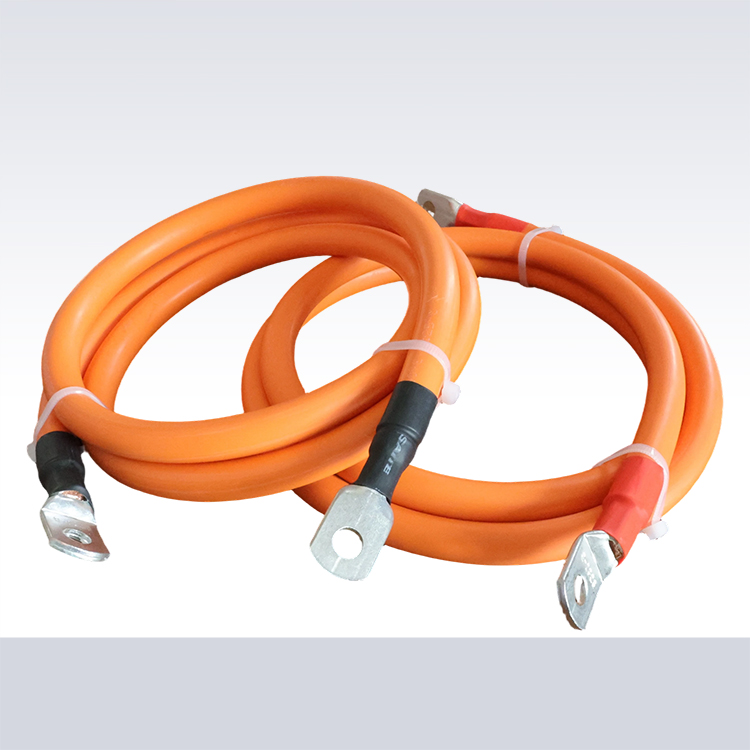
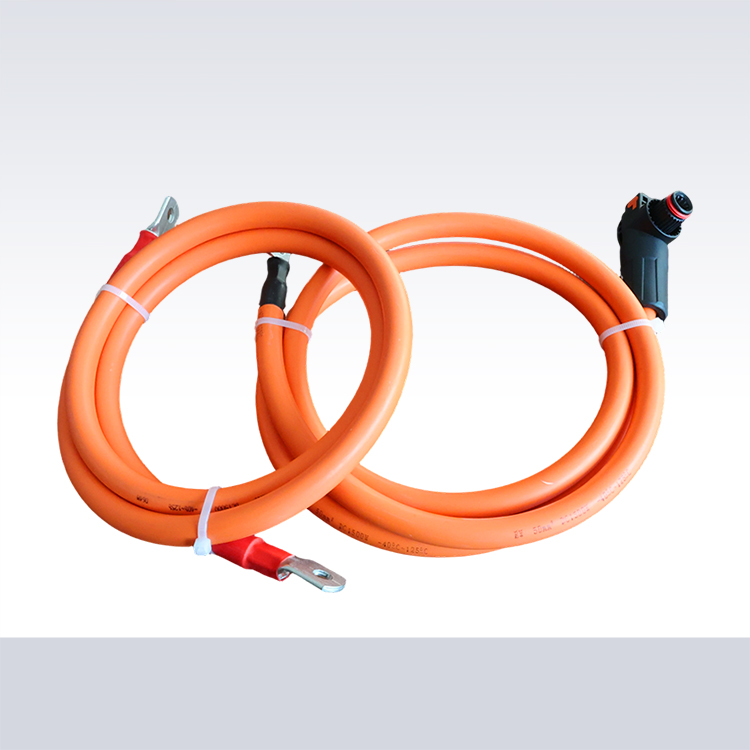
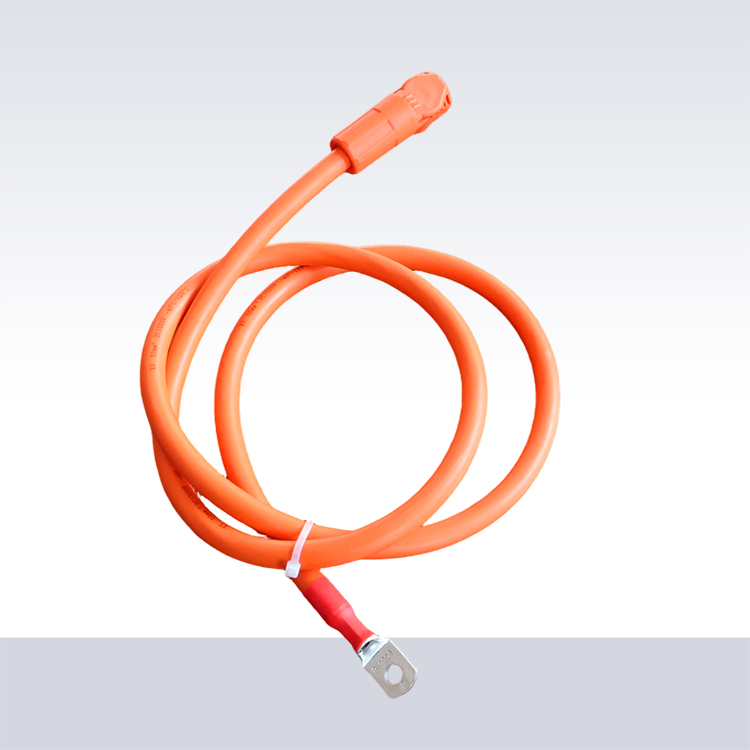
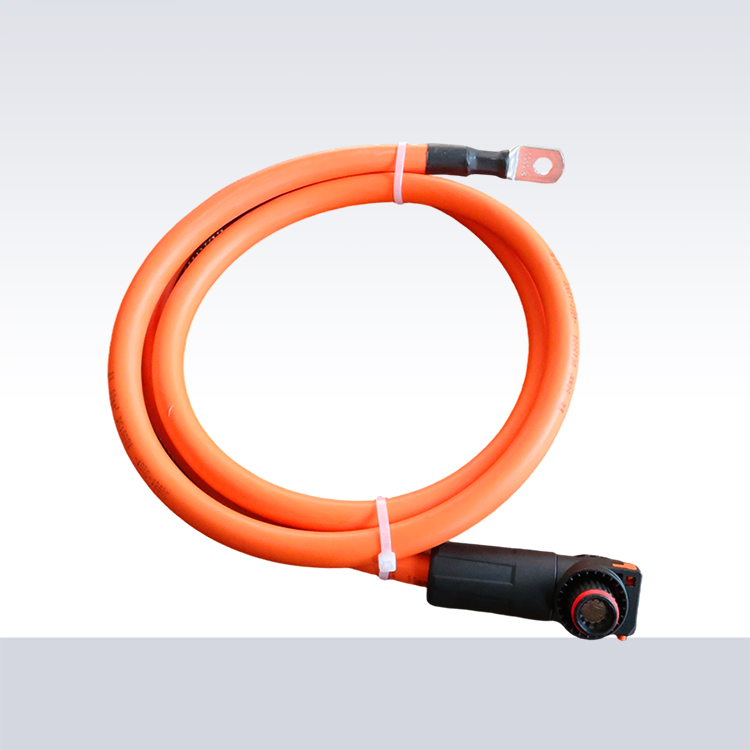
When it comes to long-term solar system performance, the Weatherproof Photovoltaic Cable is one of the most underestimated components. While panels and inverters usually get the most attention, it is actually the cable network that maintains continuous power flow under UV exposure, heat cycles, humidity, and mechanical stress. For large-scale solar projects, choosing the correct cable type—and ensuring it comes from a capable manufacturer with reliable production capacity and bulk-supply stability—is essential for avoiding failures over time.
Below, we examine the key technical requirements, durability expectations, and installation practices that help you select the best cable for long-term reliability.
What Defines a Weatherproof Photovoltaic Cable?
A Weatherproof Photovoltaic Cable is specially engineered for outdoor DC power transmission in solar arrays. Unlike general electrical wire, PV cables must withstand:
·Intense UV radiation for years
·Wide temperature ranges (−40°C to +90°C or higher)
·Long-term moisture exposure
·Acidic or alkaline environments
Abrasion and mechanical pressure
To qualify as a true weatherproof cable, it must meet international standards such as:
·IEC 62930 – photovoltaic wire requirements
·EN 50618 (h2Z2Z2-K) – enhanced outdoor resistance
·UL 4703 – thermoset-insulated PV cable standards
Cables meeting these certifications are specifically designed for solar energy systems and remain stable even under continuous harsh outdoor conditions.
Key Material Features for Long-Term Outdoor Reliability
1. Advanced Insulation Compounds
A Weatherproof Photovoltaic Cable typically uses cross-linked polyethylene (XLPE) or other high-performance thermoset materials because they provide:
·Superior heat resistance
·Excellent UV stability
·Resistance to deformation and cracking
Reduced risk of insulation aging
Long-term outdoor installations benefit enormously from insulation that does not melt, soften, or degrade.
2. High-Purity Copper Conductor
The conductor must provide:
·Low electrical resistance
·High flexibility
·Stable conductivity across temperature cycles
Tin-plated copper is especially beneficial because it slows oxidation and improves moisture resistance.
3. Flame-Retardant and Low-Smoke Properties
Safety regulations require PV cables to be flame-resistant. A weatherproof solar cable typically offers:
·Halogen-free materials
·Low smoke, low toxicity emissions
·Enhanced self-extinguishing performance
This ensures the cable is safe for residential, commercial, and utility-scale installations.
Why Cable Design Matters in Harsh Environments
Solar arrays face extreme and inconsistent climates—desert heat, coastal humidity, snowfall, or monsoon seasons. Poor-quality cables often suffer:
·Cracking due to UV aging
·Electrical leakage caused by moisture
·Higher losses due to conductor oxidation
·Connector failures from insulation shrinkage
A true Weatherproof Photovoltaic Cable prevents these issues through:
·Multi-layer insulation
·Extra mechanical reinforcement
·Better thermal stability
·Long-term resistance to micro-cracking
Cable failures are not only costly—they can reduce entire system output and force early replacement.
Installation Best Practices for System Longevity
Even the best Weatherproof Photovoltaic Cable requires proper handling and installation.
1. Avoid Sharp Bends
Bending radius should follow manufacturer recommendations to prevent conductor stress or insulation breakage.
2. Protect Against Abrasion
Where cables rub against metal frames, use:
·Cable clips
·Protective tubing
·UV-resistant cable ties
This avoids wear that could expose the conductor.
3. Optimize Cable Length
Excess cable leads to voltage drop and unnecessary connection points. A streamlined harness layout improves system efficiency.
4. Ensure IP-Rated Connector Compatibility
PV cables must match weatherproof connectors to maintain environmental sealing.
When designing wiring for large photovoltaic fields, professional layout planning significantly increases the system’s long-term reliability.
Working With a Manufacturer Capable of Stable Production
Another major consideration is choosing a capable manufacturer with consistent production capacity and quality control. This matters because:
·Large solar projects need stable long-term cable supply
·Bulk orders require dependable inventory
·Quality consistency must remain identical across all batches
·Certifications must be properly maintained
A reliable manufacturer ensures every meter of Weatherproof Photovoltaic Cable meets the performance requirements needed for decades of outdoor service.
Key features of a dependable supplier include:
·Automated production lines
·Strict material inspection
·Reliable testing processes
·Ability to scale for utility projects
·Long-term post-delivery support
For project developers, installers, and EPC contractors, the stability of your cable supplier plays a direct role in the long-term reliability of your solar systems.
Final Thoughts on Selecting Weatherproof Photovoltaic Cable
A high-quality Weatherproof Photovoltaic Cable is foundational to long-term solar performance. From the conductor material to insulation type and environmental resistance, every detail influences durability. Whether you're building a small residential system or a utility-scale solar farm, investing in reliable cable—and sourcing it from a capable manufacturer with proven production strength—helps ensure stable, safe, and efficient operation for decades.
If you need a refined version, HTML formatting, or the Google Scholar–verified APA reference list for E-E-A-T enhancement, just tell me “add references” and I will integrate them.
References
Khadka, S., & Kafle, B. (2017). Performance analysis of PV systems with variation in cable length and cable size. Energy Procedia, 134, 299–304.