


Current location: HOME > BLOGS > Frequently Asked Questions >
New Energy Vehicle High Voltage Cables: Engineering Challenges and Solutions
time:2026-08-17 04:44:36 author:haoshizai Click:72
Electric vehicles operate at voltage levels that demand respect. While household wiring carries 120V or 240V, many EVs use systems running at 400V, with some newer designs pushing to 800V or higher. The cables handling these voltages face engineering challenges that standard automotive wiring simply doesn't encounter.
Voltage Ratings and Insulation Requirements
Higher voltages require thicker insulation to prevent current leakage and maintain safety margins. But thicker insulation makes cables stiffer and harder to route through vehicle structures. Engineers balance electrical requirements against packaging constraints, seeking insulation materials that provide maximum dielectric strength at minimum thickness.
Cross-linked polyethylene (XLPE) insulation handles high temperatures better than conventional materials. The cross-linking process creates three-dimensional molecular structures that resist softening and deformation even at elevated temperatures. This matters because high-current cables generate heat, and that heat must not degrade insulation integrity.
Factory testing subjects insulation samples to voltages well above rated levels. This margin accounts for voltage spikes from switching transients and provides safety buffer for real-world operating conditions. A manufacturer's voltage rating reflects not just steady-state performance but transient tolerance as well.
Shielding for Electromagnetic Compatibility
High-voltage cables in electric vehicles can radiate electromagnetic interference (EMI) that affects other vehicle systems. Radio reception, navigation accuracy, and safety system operation all depend on clean electromagnetic environments. Shielded cables contain this interference, preventing it from disrupting sensitive electronics.
Braided copper shielding provides effective EMI containment while maintaining some flexibility. The braid coverage percentage affects shielding effectiveness – higher coverage blocks more interference but increases cable diameter and reduces flexibility. Factory engineering optimizes braid design for specific application requirements.
Aluminum foil shielding offers an alternative approach with different characteristics. Foil provides complete coverage but less mechanical durability than braid. Some cable designs combine both: foil for EMI containment and braid for mechanical protection and grounding. Suppliers offering multiple shielding options enable designers to choose the best solution for each application.
Current Capacity and Thermal Management
Cables carrying hundreds of amps generate significant heat. In enclosed vehicle structures, that heat has limited paths to dissipate. Understanding current capacity in realistic installation conditions requires thermal modeling that accounts for ambient temperatures, cable bundling, and nearby heat sources.
Manufacturers specify current ratings based on defined test conditions. These conditions typically assume single cables in free air. Real vehicle installations often bundle multiple cables together, reducing each cable's effective current capacity. Derating factors account for these installation realities.
Some high-power applications use liquid cooling integrated with cable assemblies. Coolant flowing through channels in cable structures removes heat far more effectively than air cooling. Factory integration of cooling systems with cables requires precise engineering to maintain electrical isolation while providing thermal conductivity.
Flexibility and Routing Considerations
Vehicle cables route through complex structures with tight bends and limited space. High-voltage cables with thick insulation and shielding tend toward stiffness, making installation difficult. Material selection and construction techniques determine how well cables balance flexibility with electrical performance.
Stranded conductors using many fine wires flex more easily than conductors with fewer thicker strands. However, very fine strands increase manufacturing complexity and cost. Factory optimization finds the strand count and wire gauge that provides adequate flexibility without excessive cost.
Bend radius specifications indicate the minimum curvature a cable can tolerate without damage. Tighter minimum bend radii enable routing through confined spaces but require more flexible (and usually more expensive) construction. A supplier providing cables optimized for automotive routing understands these tradeoffs.
Connector and Termination Reliability
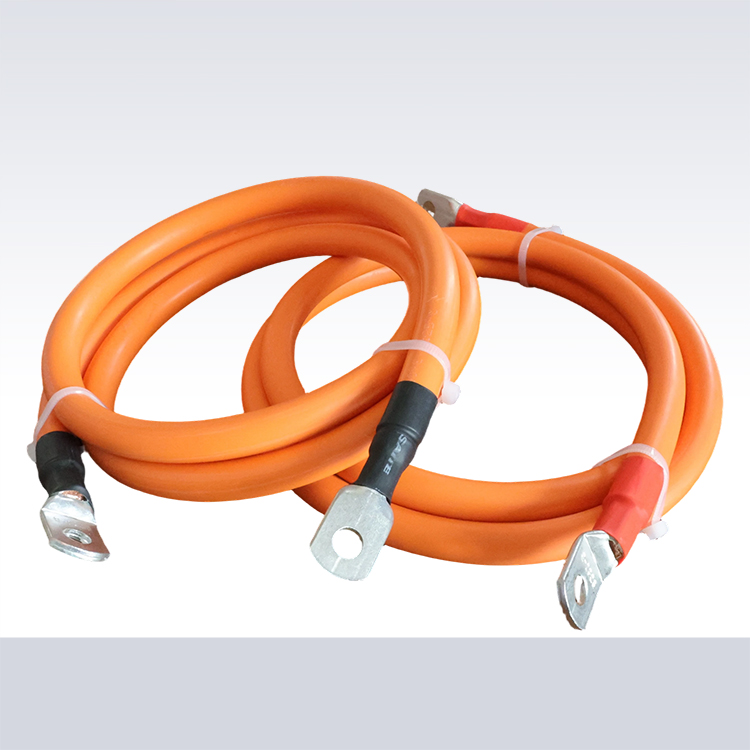
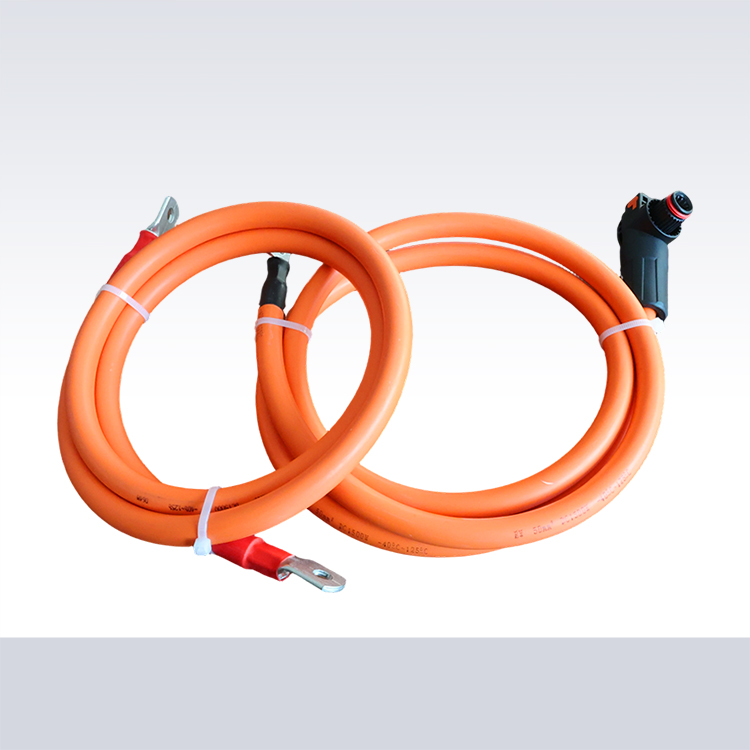
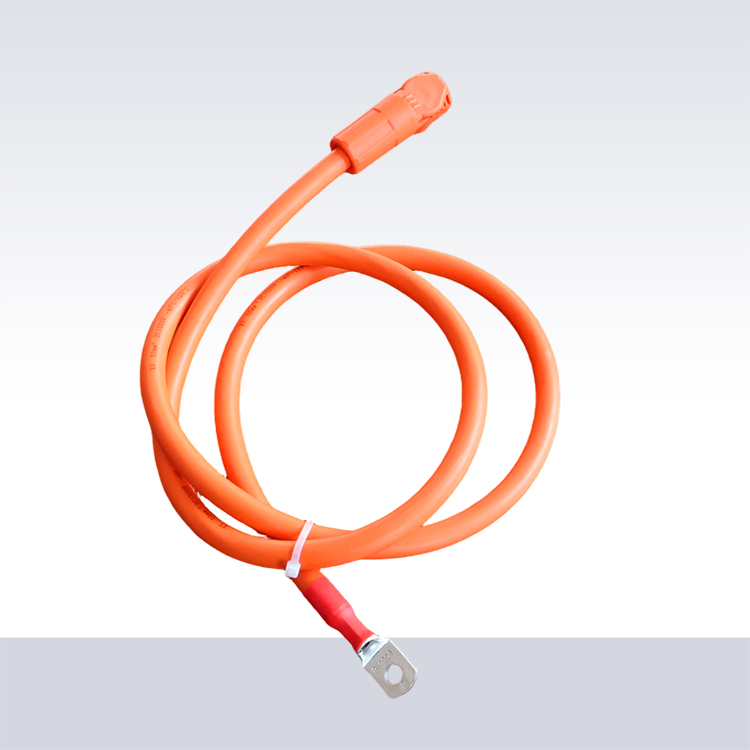
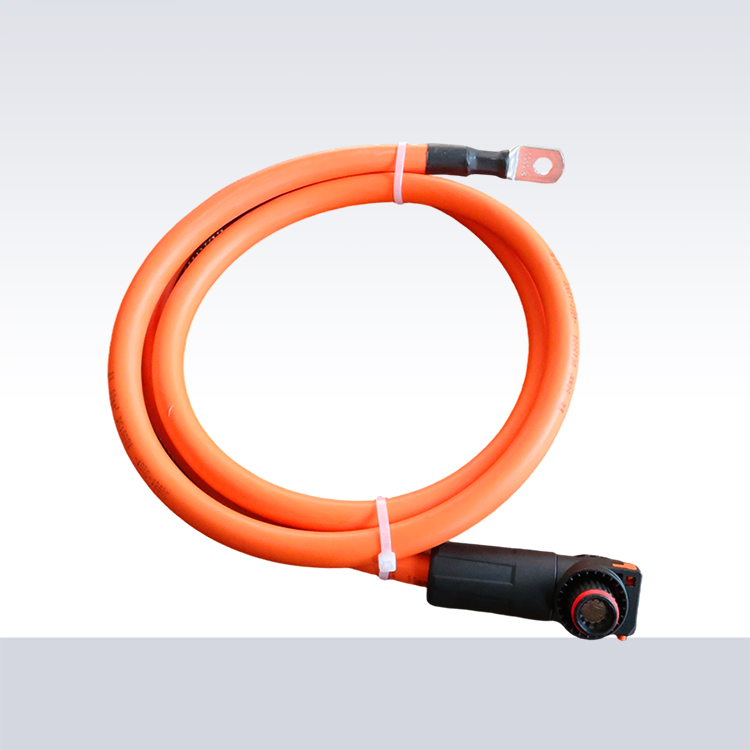
Cable failures often occur at termination points where connectors attach to conductors. High-current, high-voltage terminations face thermal cycling, vibration, and potential corrosion. Connector design and assembly technique determine long-term reliability.
Shielded cables require termination that maintains EMI containment right up to the connection point. Improper termination creates gaps in shielding effectiveness, allowing interference to escape. Factory-crimped terminations using specialized tooling ensure consistent quality that field assembly cannot match.
High-voltage interlocks prevent connector disconnection under load. Attempting to unplug a connector carrying hundreds of amps creates dangerous arcing. Interlock circuits cut power before connectors can separate, but this safety feature requires proper wiring during assembly. A manufacturer providing complete cable assemblies with factory-installed connectors ensures interlock circuits function correctly.
Safety Features and Protection Systems
Beyond basic insulation, high-voltage cables in vehicles incorporate multiple safety features. Orange jacketing provides visual identification, warning technicians of hazardous voltages. This color coding has become an industry standard for EV high-voltage systems.
Overcurrent protection integrated with cable assemblies limits fault current if damage occurs. Fuses or circuit breakers at cable ends protect downstream components and wiring. Coordinating protection devices with cable current capacity ensures cables don't fail before protective devices activate.
Ground fault detection monitors insulation integrity, identifying developing problems before they cause failures. This monitoring requires specific wiring configurations that some cable assemblies incorporate during factory assembly. Suppliers offering cables with integrated monitoring conductors support advanced vehicle safety systems.
Material Selection for Automotive Environments
Vehicle cables encounter fluids, temperature extremes, and mechanical stress that fixed installations never see. Oil, coolant, brake fluid, and other automotive chemicals can degrade inappropriate materials. Cable jackets must resist these substances while maintaining flexibility throughout the vehicle's service life.
Temperature ratings for automotive cables often span -40°C to +125°C or wider. Cold starts in winter and engine compartment heat in summer create extreme thermal stress. Materials must perform at both extremes without becoming brittle in cold or softening in heat.
Vibration testing subjects cables to millions of cycles simulating years of vehicle operation. Fatigue failures at connector attachments or cable supports cause field problems that laboratory testing can predict. Factory qualification testing verifies that cables survive realistic vibration environments.
Standards and Certification Requirements
Automotive high-voltage cables reference standards specific to the industry. ISO 19642 defines requirements for high-voltage cables in road vehicles. These standards address unique automotive concerns that general electrical standards don't cover.
LV 216 specifications, developed by German automotive industry associations, provide additional requirements for shielded high-voltage cables. These specifications address electromagnetic compatibility and safety requirements specific to European automotive applications.
A manufacturer whose cables meet both ISO and LV specifications demonstrates capability for automotive applications. Suppliers providing test reports and certifications for these standards offer products designed and verified for the demanding automotive environment.
References
International Organization for Standardization. ISO 19642: Road vehicles — High-voltage cables. Geneva: ISO; 2019.
German Association of the Automotive Industry. LV 216: Shielded high-voltage cables for motor vehicles. Frankfurt: VDA; 2021.
SAE International. SAE J1772: Electric Vehicle Conductive Charge Coupler. Warrendale: SAE; 2023.






CONTACT
Email:525860526@qq.com
Whatsapp: +86 19933450664
TEL:+86 17803069333
WEB:https://www.haoshizai-solar.com
ADD:Dongyang Village, Daweihe Hui and Manchu Township, Wenan County, Langfang City, Hebei Province