


Current location: HOME > BLOGS > Frequently Asked Questions >
EV Charging Cable Standards and Certification Requirements
time:2026-06-23 08:18:02 author:haoshizai Click:56
Building robust electric vehicle charging infrastructure means navigating numerous technical standards ensuring interoperability and safety. From connector designs to electrical ratings, understanding these specifications helps project stakeholders make informed procurement decisions and achieve regulatory compliance.
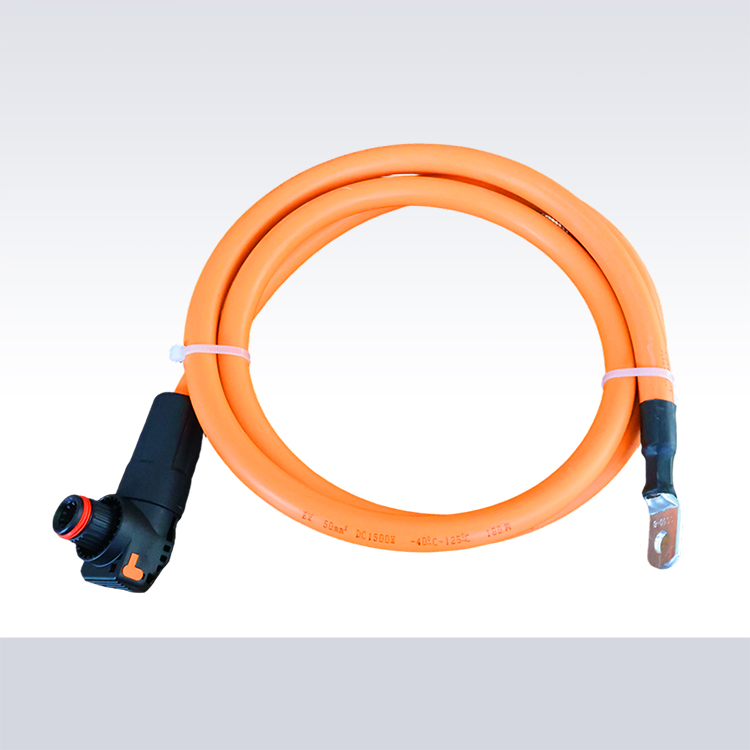
North American Charging Standards Framework
SAE J1772 establishes the foundational connector standard for Level 1 and Level 2 charging across North America. This standard defines both physical connector dimensions and communication protocols enabling vehicles and chargers to negotiate charging rates. The circular connector design accommodates five pins handling power Ground and two pilot signals coordinating the charging session.
For DC fast charging, the SAE J3400 standard introduces the Combined Charging System (CCS) utilizing the same J1772 complement for communication while providing higher-power直流 contacts. Tesla owners benefit from adapter compatibility, though the North American market increasingly standardizes toward CCS for future interoperability.
Connector Type Classifications
Level 1 charging utilizes standard 120V household outlets with limited 1.4kW power transfer—primarily serving overnight charging scenarios. The connector typically matches the vehicle's bundled charge cord, eliminating additional equipment requirements though extending charge times to 8-20 hours for full replenishment.
Level 2 charging provides 240V capability delivering 3.3kW to 19.2kW depending on equipment and existing electrical infrastructure. Most destinations and workplaces install Level 2 equipment, balancing charging speed against infrastructure investment requirements.
Electrical Certification Requirements
UL 2251 governs plugs, receptacles, and couplers ensuring electrical and mechanical safety under worst-case operating conditions. This standard covers resistance to environmental exposure, temperature performance, and endurance testing simulating years of mating cycles. Listed equipment bears the UL mark signifying compliance.
NEC Article 630 covers electric vehicle charging system installations, mandating GFCI protection for 125V receptacles and dedicated circuits for dedicated charging equipment. Commercial installations require additional provisions for accessibility and emergency disconnect labeling.
International Compatibility Considerations
Regional variations complicate international deployment strategies. European and Asian markets utilize Type 2 connectors per IEC 62196 specifications, differing physically from North American designs. Vehicle makers address regional markets with compatible ports or include adapters for traveler flexibility.
China implements GB/T standards representing indigenous development. CHAdeMO, originating in Japan, persists for certain DC fast Charging applications despite CCS adoption increasing globally. Procurement specifying single-region vehicles simplifies parts stocking for commercial operators.
Cable Gauge and Rating Selection
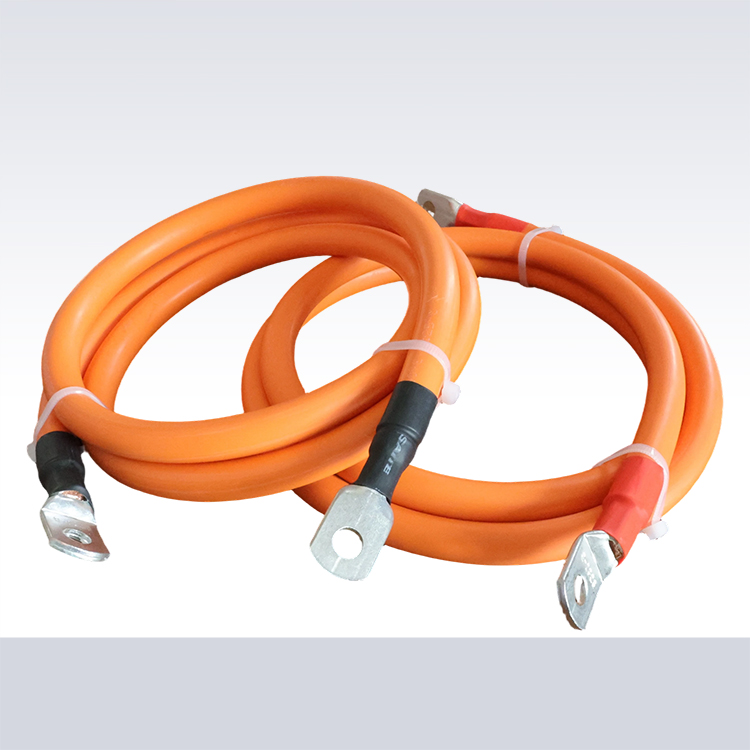
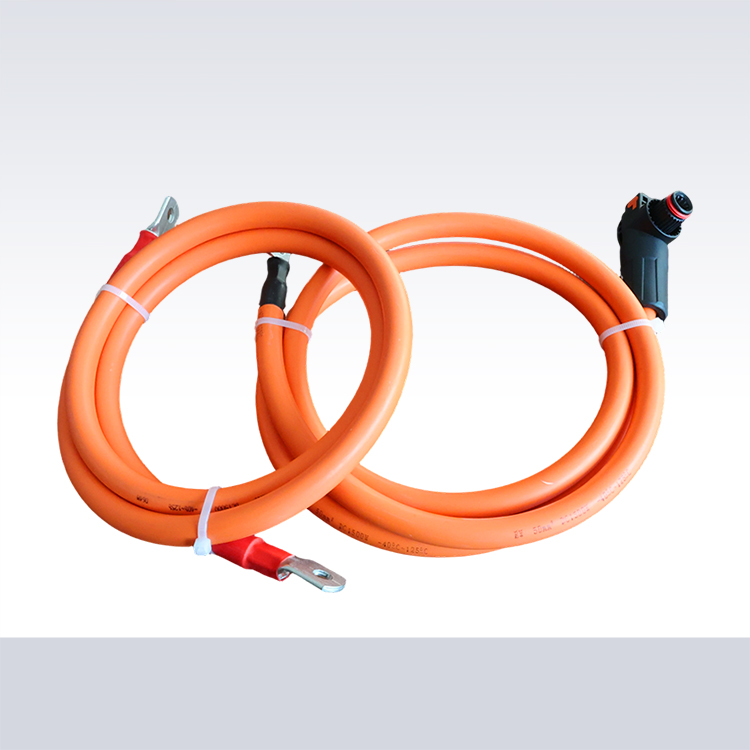
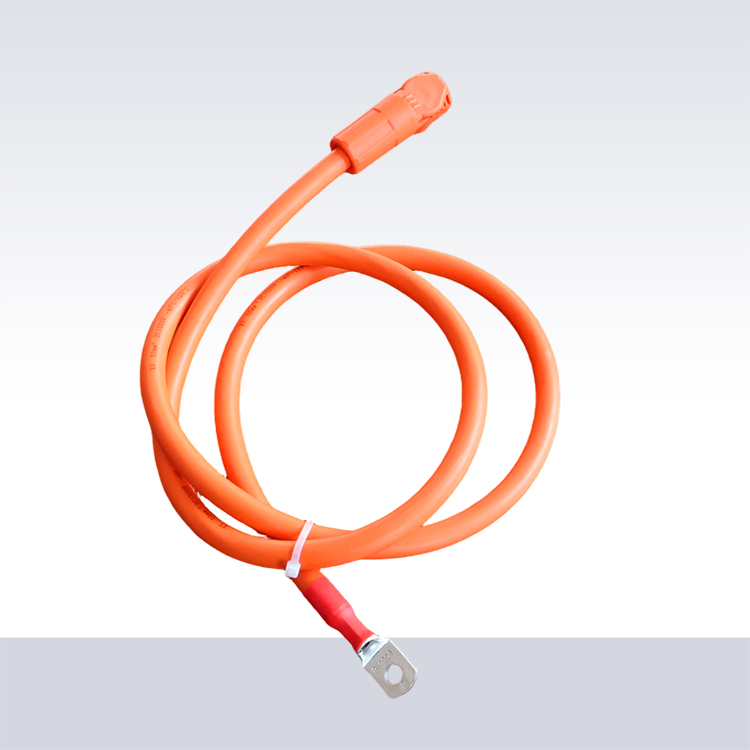
Cable construction must accommodate maximum charging currents with sustainable temperature margins. Common configurations use 10 AWG conductors for 30A service or 8 AWG where 40A continuous operation occurs. Jacket materials resist oil, UV exposure, and physical abrasion matching intended installation environments.
Cable length requirements balance convenience against resistive losses—longer cables suffer greater voltage drops at maximum current. Typical commercial installations utilize 25-foot cables accommodating various parking orientations, while some operators provide overhead reel systems maximizing reach while minimizing floor obstruction.
Smart Charging Communication Protocols
Modern charging equipment communicates via powerline signaling or dedicated pilot circuits conveying capability descriptions. Vehicles read maximum current availability, battery management requirements, and contactor status prior to initiating energy transfer. This handshaking prevents mismatched configurations damaging vehicle electronics.
Network-connected chargers extend communication beyond vehicle interfaces, enabling load management, billing integration, and remote monitoring capabilities. OCPP (Open Charge Point Protocol) provides middleware vendor neutrality, with OCPP 1.6 and 2.0 representing current market implementations.
Compliance Documentation and Inspection
Permitting authorities require UL listing or equivalent safety certification before approving installation permits. Electrical inspections verify proper termination, grounding continuity, and circuit protection alignment. Maintaining certification documentation for all equipment streamlines inspection processes and supports warranty validation.
Factoriesproduce equipment with quality management system registration documenting traceability. Supplier relationships ensuring continued certification availability support commercial operators sourcing replacement equipment matching existing installations.
References
SAE International Standard J1772: Electric Vehicle and Plug-in Hybrid Vehicle Conductive Charge Coupler
SAE Standard J3400: Electric Vehicle Power Transfer Terminals and Cables
UL 2251: Standard for Plugs, Receptacles, and Couplers for Electric Vehicles
National Electrical Code (NEC) Article 625: Electric Vehicle Charging System Equipment
IEC 62196-2: Plugs, Socket-outlets, Vehicle Connectors and Vehicle Inlets






CONTACT
Email:525860526@qq.com
Whatsapp: +86 19933450664
TEL:+86 17803069333
WEB:https://www.haoshizai-solar.com
ADD:Dongyang Village, Daweihe Hui and Manchu Township, Wenan County, Langfang City, Hebei Province